Solar adoption in India has picked up fast over the last few years, and for good reason. Power costs keep climbing, rooftops sit unused for most of the day, and government incentives have made switching to solar more affordable than ever. But once someone decides to go solar, they run into a question most people don’t expect: what kind of inverter should the system actually use?
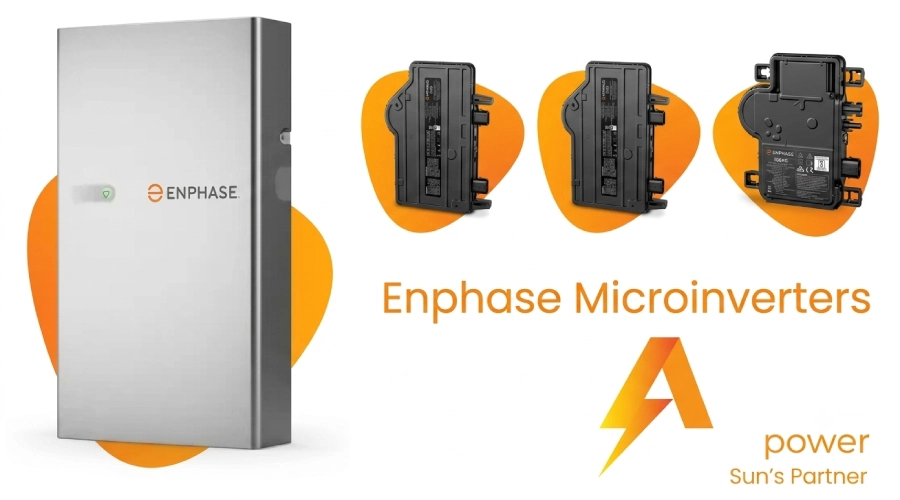
This is where things get interesting. Most homeowners assume all solar inverters work the same way. They don’t. And increasingly, Indian homeowners researching their options are landing on the same conclusion enphase microinverters offer a level of reliability and performance that traditional string inverters simply can’t match, especially on real Indian rooftops with real shading and weather conditions.
Let’s get into why that is, and what it actually means for someone planning a home solar system.
The Basic Difference: Microinverters vs. String Inverters
Before comparing brands, it helps to understand the core difference in technology.
A traditional string inverter connects multiple solar panels together in a series, or “string,” and funnels all their combined power through one central inverter. If one panel underperforms because of shade, dirt, debris, or even a slightly different roof angle it drags down the output of the entire string.
Microinverters work differently. Instead of one central device, each solar panel gets its own small inverter mounted directly beneath it. Power conversion happens right at the panel, panel by panel, independently. If one panel has a bad day, it doesn’t hold the rest of the system hostage.
This distinction matters more in India than people initially realize, given how varied rooftop conditions can be water tanks, chimneys, neighboring buildings, and seasonal dust all create partial shading that string inverters handle poorly.
Why Enphase Specifically Stands Out
There are other microinverter brands on the market, so why do Enphase microinverters keep coming up as the top recommendation from installers and solar consultants across India?
Panel-level performance monitoring.
Each Enphase microinverter reports its own performance data back to the homeowner through the Enphase app. That means you’re not just seeing a single combined number for your whole system you can actually see how each individual panel is performing. If one panel starts underperforming due to dirt buildup or a wiring issue, you’ll spot it early instead of only noticing a vague drop in total output months later.
Better handling of shade and rooftop obstructions.
Because each panel operates independently, shading on one panel from a water tank or a nearby tree doesn’t reduce the output of the panels around it. On Indian rooftops, where partial shading is almost unavoidable at some point during the day, this alone can translate into a noticeably higher energy yield over time.
No single point of failure.
With a string inverter, if the central unit fails, the entire system stops producing power until it’s repaired or replaced. With Enphase’s distributed setup, one underperforming or faulty enphase microinverter affects only its own panel. The rest of the system keeps running normally.
Grid-forming capability in newer models.
Enphase’s IQ8 series introduced grid-forming technology, which allows the system to continue supplying power during daylight hours even if the grid goes down, without necessarily needing a battery. For homeowners dealing with frequent power cuts in certain parts of the country, that’s a meaningful practical advantage.
Long-term warranty backing.
Enphase microinverters activated in India typically come with a limited warranty that can be extended up to 25 years, well beyond what most string inverters offer. Since inverters are one of the components most likely to need replacement over a solar system’s lifetime, this warranty length matters a lot for long-term cost planning.
What About the Higher Upfront Cost?
It’s fair to bring up cost, since Enphase systems typically cost more upfront than a comparable string inverter setup. This is usually the first pushback homeowners raise when comparing quotes.
The way to think about it is over the system’s lifetime, not just the installation invoice. Better shade tolerance means more usable energy from the same rooftop. A longer warranty period means fewer replacement costs down the line. And panel-level monitoring makes it easier to catch small issues before they turn into bigger, more expensive problems.
For homes with unobstructed, perfectly angled rooftops and zero shading, the performance gap narrows, and a string inverter might be a reasonable, more budget-friendly option. But for most real Indian homes, where at least some partial shading is inevitable at some point in the day, the long-term value tends to favor microinverters.
Buying Through the Right Channel
One thing that often gets overlooked is where and how you actually purchase your system. Working with an authorized enphase microinverter dealer or an established enphase microinverter distributor matters more than people expect, for a few practical reasons.
Genuine warranty coverage.
Warranty claims on Enphase products typically require proof that the units were purchased through an authorized channel. Buying through an unauthorized reseller can put your warranty coverage at risk, which defeats one of the biggest advantages of choosing Enphase in the first place.
Correct system design.
An experienced dealer or distributor understands how to properly size and design a microinverter system based on your specific roof layout, panel wattage, and household energy needs. Getting this wrong can mean underperformance or compatibility issues down the line.
After-sales support.
Solar systems need occasional servicing, monitoring setup, and troubleshooting. A reputable distributor or dealer network typically offers local support, faster replacement parts, and a smoother overall ownership experience compared to buying through informal channels.
Access to the latest models.
Enphase regularly updates its microinverter lineup, from the IQ7 series to the newer IQ8 models designed specifically for higher-powered solar modules available in India. Authorized dealers are more likely to carry current inventory rather than older, discontinued stock.
If you’re comparing installers or suppliers, it’s worth directly asking whether they’re an authorized enphase microinverter dealer or distributor before committing to a quote. It’s a simple question that can save you real trouble later.
Is Enphase Right for Every Home?
No single technology fits every situation perfectly, and it’s worth being honest about that. Homes with very simple, unobstructed rooftops and a tight budget might do just fine with a quality string inverter. Large commercial installations sometimes lean toward central inverters for cost efficiency at scale.
But for the average residential rooftop in India with some shading, a mix of panel orientations, and a homeowner who wants long-term reliability and visibility into system performance microinverters generally make more practical sense. And within that category, Enphase has built a strong reputation for a reason: proven technology, solid warranty backing, and a support network that continues to expand across the country.
Choosing the right inverter isn’t the most exciting part of going solar, but it’s one of the decisions that shapes how well your system performs for the next two decades. Enphase microinverters address the real, everyday problems Indian homeowners run into partial shading, rooftop obstructions, and the need for reliable long-term performance in a way that traditional string inverters often can’t match.