
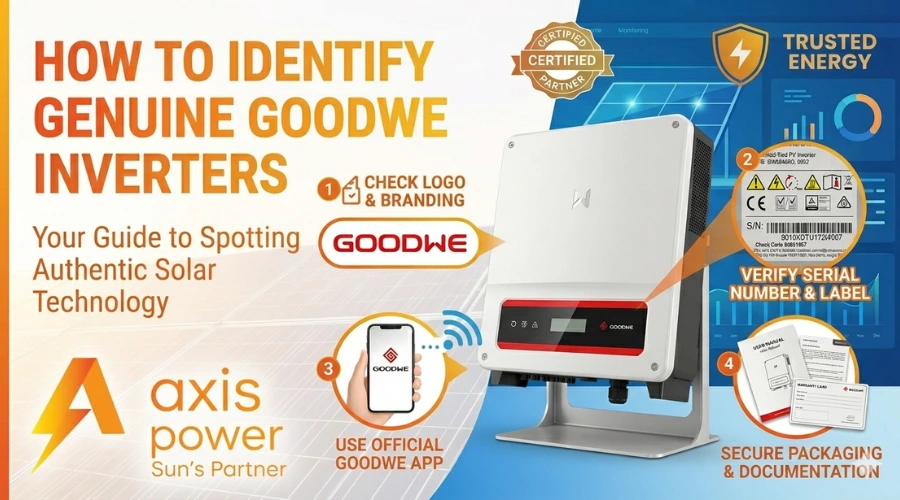
Solar power systems are long-term investments. Every component plays a role in determining how efficiently that investment performs over the years, but few components are as important as the inverter. It is the heart of the solar system, converting generated power into usable electricity while managing performance, safety, and monitoring.
As demand for solar energy continues to grow across residential, commercial, and industrial sectors, counterfeit and unauthorized products have become increasingly common. Many buyers unknowingly purchase equipment that appears genuine on the surface but lacks manufacturer support, warranty coverage, or quality assurance.
When it comes to GoodWe Inverters, authenticity matters. A genuine product delivers the performance, reliability, and technical support that buyers expect. This guide explains how to verify authenticity, recognize warning signs, and ensure that every purchase comes from a trusted source.
Why Authenticity Matters in Solar Inverters
The difference between an authentic inverter and an unauthorized product may not be obvious on day one. Problems usually appear later, often when technical support or warranty service is needed.
A genuine inverter is manufactured according to the company’s specifications, tested for safety, and backed by official warranty policies. It is also compatible with monitoring platforms, firmware updates, and technical assistance provided by the manufacturer.
An unauthorized product may have unclear origins, incomplete documentation, or altered serial information. Even if it functions initially, future repairs, replacements, and support can become difficult or impossible.
For businesses installing large-scale solar projects, these risks can lead to downtime, unexpected costs, and dissatisfied clients.
Purchase Only Through Authorized Channels
One of the most reliable ways to verify authenticity is to buy from an approved supply network.
An established goodwe inverter distributor works directly with the manufacturer and follows official procurement procedures. Products supplied through authorized channels typically include proper invoices, warranty documentation, and technical support.
Authorized sellers also receive training and product updates from the manufacturer. This helps ensure customers receive accurate guidance regarding system sizing, installation requirements, and product selection.
When evaluating suppliers, ask about their authorization status and request documentation if needed. Reputable distributors are usually transparent about their relationship with the manufacturer.
Check the Product Serial Number
Every genuine inverter carries a unique serial number assigned during production.
The serial number is more than an identification label. It serves as a record that connects the product to manufacturing information, warranty registration, and service history.
Inspect the Label Carefully
The serial number label should appear professionally printed and securely attached. Signs of tampering, damage, or poor print quality should raise concerns.
Labels that appear reattached, scratched, or altered may indicate that the product has been modified or originated from an unauthorized source.
Verify Registration Information
Many manufacturers maintain records linked to product serial numbers. Verification through official channels can help confirm whether the inverter is genuine and eligible for warranty support.
Before installation, confirming the serial number can prevent future complications.
Review Packaging and Documentation
Packaging often provides valuable clues about product authenticity.
Genuine products typically arrive in professionally designed packaging with clear branding, safety information, and product details. The box should include user manuals, installation instructions, warranty documents, and certification information.
Missing documents should never be ignored.
Authentic equipment generally includes detailed technical information because proper installation and operation depend on accurate guidance. Incomplete paperwork may indicate that the product did not enter the market through official distribution channels.
Pay attention to spelling errors, inconsistent logos, low-quality printing, or unusual packaging materials. These details can reveal authenticity issues that are otherwise difficult to detect.
Verify Warranty Coverage before Purchase
Warranty protection is one of the biggest advantages of buying genuine equipment.
Many buyers focus entirely on price and only think about warranty support when a problem occurs. By then, discovering that the product is not covered can become an expensive lesson.
Request Warranty Details
Before placing an order, ask for warranty information in writing.
A genuine product should include clearly defined warranty terms, coverage periods, and support procedures. Sellers should be able to explain how warranty claims are processed and what documentation is required.
Confirm Eligibility
Warranty eligibility often depends on purchasing through approved channels.
Products obtained through unauthorized sources may not qualify for manufacturer support, even if they appear identical to authentic units.
Verifying coverage before installation helps avoid future disputes.
Evaluate the Seller’s Technical Knowledge
A trustworthy supplier does more than provide pricing.
Authorized partners typically possess a strong understanding of inverter specifications, installation practices, monitoring systems, and troubleshooting procedures.
When discussing products, observe how confidently technical questions are answered.
Knowledgeable suppliers can explain efficiency ratings, communication protocols, system compatibility, and application recommendations. They also understand local regulations and installation standards.
Vague answers or inconsistent information may indicate limited product familiarity.
Professional support becomes especially important when planning commercial and industrial projects where system performance directly affects operational costs.
Inspect Monitoring and Software Features
Modern solar systems depend heavily on monitoring tools.
Authentic products are designed to work with official monitoring platforms, allowing users to track generation, performance, and system health in real time.
Once installed, verify that the inverter connects properly to approve monitoring applications and portals.
Unexpected compatibility issues, software limitations, or registration problems may signal concerns about authenticity or sourcing.
Firmware updates are another important consideration. Genuine products typically receive manufacturer-supported updates that improve performance, security, and functionality over time.
Compare Pricing Realistically
Everyone appreciates a competitive price, but unusually low pricing deserves careful scrutiny.
Manufacturing, logistics, quality testing, warranty support, and technical assistance all contribute to the cost of genuine equipment.
When a product is offered at a dramatically lower price than the broader market, there is usually a reason.
This does not mean every discounted product is suspicious. However, extreme price differences should encourage further verification before purchase.
A reputable supplier can explain pricing transparently and provide supporting documentation when needed.
Choosing a slightly higher-priced authentic inverter is often far more economical than dealing with replacement costs, downtime, or warranty issues later.
Work With Established Distribution Partners
The solar industry relies heavily on trust and long-term relationships.
Experienced suppliers understand the importance of product authenticity because their reputation depends on customer satisfaction and system performance.
Many businesses prefer working with established goodwe inverter dealers india because these partners provide not only products but also guidance, inventory availability, technical assistance, and after-sales support.
Strong distribution networks help ensure faster service, genuine spare parts availability, and smoother warranty processes.
For EPC companies, installers, and industrial buyers, these advantages often outweigh short-term savings from unknown suppliers.
Common Warning Signs Buyers Should Not Ignore
Several indicators frequently appear when products originate from unauthorized channels.
A supplier unwilling to provide invoices or warranty information should raise concerns immediately.
Incomplete documentation, damaged packaging, altered labels, and unclear product origins also deserve attention.
Another warning sign is the absence of technical support. Genuine products are backed by knowledgeable teams that can assist with installation, commissioning, and troubleshooting.
When support disappears after the sale, buyers often discover they are dealing with unofficial supply sources.
Taking time to investigate these warning signs before purchase can prevent costly problems later.
Building Long-Term Confidence in Your Solar Investment
Solar systems are designed to operate for many years. The quality of every component influences long-term returns, system reliability, and maintenance costs.
Authenticity verification should be part of every purchasing decision, whether the project involves a residential rooftop installation or a large commercial facility.
Checking serial numbers, reviewing documentation, confirming warranty coverage, and purchasing through trusted suppliers creates confidence that the system will perform as expected.
The most dependable path is working with authorized partners who can provide genuine GoodWe Inverters along with the technical support and warranty protection needed for long-term success. Before making your next purchase, spend a few extra minutes verifying the source. That simple step can protect your investment for years to come.